Pelvic Floor Health: Exercises Every Woman Should Know
Hello everyone, I’m Dr.Asmita Dongare, Consultant Obstetrician and Gynecologist at Clover leaf Speciality Clinic Wakad, Pune.In this blog, I’ll talk about a very important but often ignored part of women’s health — the pelvic floor muscles — and simple ways to keep them strong and healthy.
Many women experience problems like urine leakage, heaviness in the vaginal area, or pelvic discomfort, but often ignore them, thinking they are normal after childbirth or with age. The truth is, pelvic floor weakness can affect women at any stage of life, from young adults to menopause. The good news is that simple pelvic floor exercises can strengthen these muscles and prevent many common problems. In this guide, you will learn what the pelvic floor is, why it matters, and the most important exercises every woman should know.
What Is the Pelvic Floor?
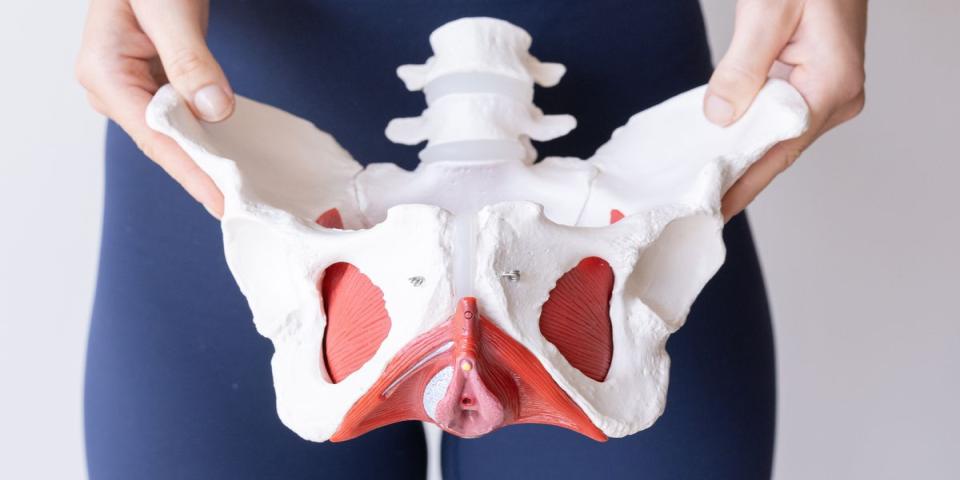
The pelvic floor is a hammock-like group of muscles that supports the bladder, uterus, and bowel from below. These muscles help control urination and bowel movements and also contribute to sexual function.
The pelvic floor works closely with the abdominal and back muscles to support posture and core stability. When these muscles are strong, pelvic organs stay well supported, and body balance improves.
Why Pelvic Floor Health Is Important for Women?
A healthy pelvic floor helps women in many ways:
Prevents urine leakage during coughing or sneezing
Supports the uterus and pelvic organs
Improves comfort and sensation during intimacy
Helps during pregnancy and postpartum recovery
Supports back and core stability
Strong pelvic muscles also reduce the risk of pelvic organ prolapse (organ dropping).
Who Should Do Pelvic Floor Exercises?
Pelvic floor exercises benefit women of all ages, especially:
After childbirth (normal or C-section)
During pregnancy
Women above 30–35 years
During menopause
Chronic cough or constipation
Even women without symptoms should practice these exercises for prevention.
How to Identify Pelvic Floor Muscles?
To find the pelvic floor muscles:
Imagine stopping urine flow (only to identify muscles)
Feel a lifting and tightening sensation inside
Avoid tightening the abdomen, thighs, or buttocks
Once identified, do exercises with an empty bladder.
How to Strengthen Pelvic Floor Muscles?
Pelvic floor muscles are the muscles that support your uterus, bladder, and bowel. These muscles help control urine, support pregnancy, and improve sexual health. The good news is that pelvic floor muscles can become stronger with simple exercises called Kegels.
What Are Kegel Exercises?
Kegel exercises involve tightening and relaxing the muscles of the pelvic floor. They are easy to do, do not need any equipment, and can be practiced anytime — while sitting, working, or doing daily activities. These exercises help improve bladder control and support pelvic health.
Step-by-Step Guide to Do Kegel Exercises...
First, identify the right muscles by imagining you are stopping urine flow.
Sit or lie down in a comfortable position.
Gently tighten and lift the pelvic floor muscles.
Hold the contraction for about 3–5 seconds.
Relax the muscles completely for 5 seconds.
Repeat this 10 times in one set.
Practice 2–3 sets daily for best results.
Breathe normally and avoid tightening your abdomen or buttocks.
Regular practice helps strengthen the pelvic floor and improve bladder control.
Other Helpful Pelvic Floor Exercises:
Bridge Pose
Butterfly Pose (Supta Baddha Konasana)
Lie on your back and bend your knees. slowly lift your hips and stay for 5 seconds in the same position, and then relax
Squats, which works excellent on the lower body
Lunges strengthen the muscles
Happy Baby Pose relaxes the muscles
Breathe in and breathe out while slowly lifting the pelvic muscle
For better results, practice these exercises while breathing normally and avoid using your stomach, legs, or glutes. Magnesium-rich foods like spinach, almonds, and bananas help in relaxing pelvic muscles. Also, learning to relax the Pelvic muscles is as important as strengthening them.
Common Mistakes While Doing Kegels:
Avoid these errors:
Holding Your Breath: Always breathe deeply while exercising.
Over-Squeezing: Quality is better than quantity; don’t strain.
Inconsistency: Like any muscle, the pelvic floor needs regular “workouts” to stay strong.
If you are experiencing persistent pelvic pain or heaviness, seeking professional guidance is vital. At Cloverleaf Speciality Clinic, Wakad we offer specialized support for women at every stage of life.
Dr.Asmita Dongare is a highly experienced consultant obstetrician & best gynecologist in Pune with over 18+ years of experience. Her expertise spans from high-risk pregnancy care and infertility counseling to advanced treatments like PCOD management, ectopic pregnancy, and medical abortion.
Conclusion:
The pelvic floor is an essential but often overlooked part of women’s health. Weakness can affect bladder control, core strength, and daily comfort, but simple exercises can make a big difference.
Just a few minutes of pelvic floor training each day can provide lifelong benefits. Start early, stay consistent, and if symptoms continue or you need guidance, don’t hesitate toget in touch with a healthcare expert. Strong pelvic muscles support a confident, comfortable, and healthy life for every woman.