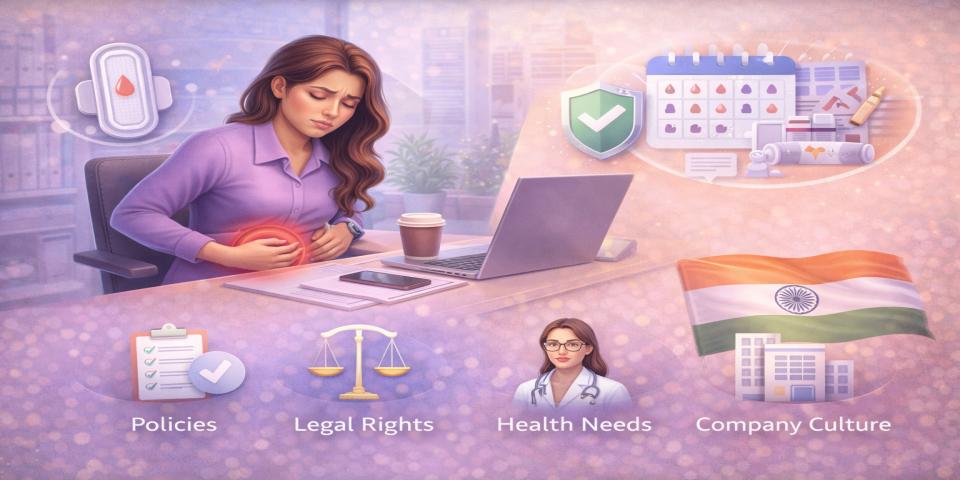
Period Leave and Workplace Wellness: What Indian Women Should Know?
Menstruation is a natural part of every woman’s life. Today, millions of Indian women are working in offices, factories, hospitals, schools, and the corporate sectors. While they manage their careers confidently, many silently deal with period pain, heavy bleeding, and other menstrual problems every month.
In recent years, period leave has become an important discussion in India. More people are understanding that menstrual health is not a small issue. Severe cramps, hormonal imbalance, irregular periods, and fatigue can affect productivity, focus, and even mental health. Recognizing this is the first step toward creating healthier workplaces.
What is Period Leave?
Period leave allows women to take time off from work during their menstrual cycle if they experience discomfort or severe pain. Many workplaces are now discussing menstrual leave policies to support women’s health and wellbeing, especially for those who may need leave for period cramps or other menstrual symptoms.
can seriously affect daily productivity and mental health.
These are not “excuses.” They are real menstrual problems that need understanding and medical support.
Is Period Leave Legal in India?
Currently, there is no nationwide law that makes period leave mandatory in India. However, some states and private companies have introduced their own menstrual leave policies to support women employees.
Why Are Companies Introducing Period Leave?
Some women experience severe abdominal pain, fatigue, or heavy bleeding during menstruation. In such situations, taking leave for period cramps or using a workplace menstrual leave policy can help women rest and recover without compromising their health.Many organizations understand that supporting women’s reproductive health improves employee well-being. Providing menstrual leave shows empathy, promotes gender equality, and helps women work better without fear or stress.
Common Menstrual Problems That Affect Work:
Many women experience more than just mild cramps. Some common menstrual problems include:
Severe period pain (dysmenorrhea) – Sharp lower abdominal pain that makes it hard to sit or concentrate.
Irregular periods – Unpredictable cycles that cause stress and anxiety.
PCOS/PCOD – Hormonal disorder causing irregular cycles, weight gain, acne, and fertility issues.
Endometriosis – A painful condition affecting daily activities.
Hormonal imbalance – Mood swings, headaches, and low energy.
Fatigue and mood changes – Reduced focus and emotional stress.
These conditions can reduce productivity, increase absenteeism, and affect workplace performance. Ignoring symptoms may worsen the underlying issue.
When Period Pain Is Not Normal?
Mild cramps are common. But you should not ignore:
Severe pain that stops you from working
Heavy bleeding lasting more than 7 days
Large blood clots
Irregular cycles for many months
Extreme weakness or fainting
These signs may indicate fibroids, thyroid disorders, endometriosis, or other gynecological conditions. Early diagnosis helps prevent complications.
If you are facing frequent menstrual problems, consult thebest gynecologist in Pune for proper evaluation and treatment. Timely care can improve your health and work-life balance.
Role of Workplace Wellness in Women’s Health:
Workplace wellness means creating a safe and supportive environment for employees.
For women’s health, it includes:
Open conversations about menstrual health
Flexible working hours during painful periods
Work-from-home options when needed
Clean washrooms and menstrual hygiene facilities
Mental health awareness programs
A supportive workplace reduces stress and encourages women to prioritize their health without embarrassment.
Benefits of Period Leave for Employees and Employers:
Period leave benefits both women and companies:
Improved productivity
Women perform better when not forced to work through severe pain.
Reduced absenteeism
Planned leave is better than sudden sick days.
Better employee satisfaction
Women feel valued and respected.
Promotes gender equality
Recognizes biological differences without discrimination.
Supporting menstrual health creates a positive and progressive work culture.
Medical Support for Menstrual Problems:
If you regularly suffer from severe cramps, irregular periods, or heavy bleeding, do not ignore the symptoms. Consulting an expert is essential.
Dr. Asmita Dongare is an experienced gynecologist with 18+ years of experience in women’s healthcare. She completed her MBBS from Grant Medical College, Mumbai, and earned her Diploma in Gynecology and Obstetrics from YCMC Hospital, Pimpri in 2007. She provides comprehensive diagnosis and treatment for menstrual disorders, PCOS, hormonal imbalance, and other reproductive health concerns.
Seeking timely medical advice helps prevent long-term complications and improves overall quality of life.
Practical Tips for Managing Periods at Work:
Here are simple tips to manage periods while working:
Track your menstrual cycle using an app or calendar
Eat iron-rich and nutritious food
Stay hydrated
Practice light stretching or yoga
Manage stress through deep breathing
Keep emergency menstrual products in your bag
Small lifestyle changes can reduce discomfort and improve daily performance.
Conclusion:
Period leave is not about privilege. It is about health, dignity, and understanding. Recognizing menstrual problems early can prevent serious complications and improve both personal and professional life.
Women should never feel ashamed of prioritizing their reproductive health. If your periods are painful or irregular, consult the best gynecologist in Pune for proper guidance and treatment. Early care ensures a healthier and more confident future.