• +91 92268 22020 / +91 95605 06620

Understanding Ovarian Cysts in Young Females: Causes, Symptoms, and Risk Factors

Ovarian cysts are small, fluid-filled sacs that form in or on the ovaries, affecting many young women in their reproductive years. While most cysts are harmless and resolve without treatment, some can cause pain, irregular periods, or complications requiring medical care.

A regular pelvic check-up catches most cysts early, long before they cause trouble. This guide walks through the causes, symptoms, and risk factors of ovarian cysts, so you know what to watch for and when it’s time to see a women’s health specialist.

What Are Ovarian Cysts?

Ovarian cysts are small, fluid-filled sacs that form in the ovaries. Most are about the size of a cherry, typically measuring between 1 to 3 centimeters. They develop during the normal functioning of the ovaries, which release eggs every month as part of the menstrual cycle. The majority of these cysts are functional and disappear on their own within a few months without requiring treatment.

Types of Ovarian Cysts:

Functional Cysts:

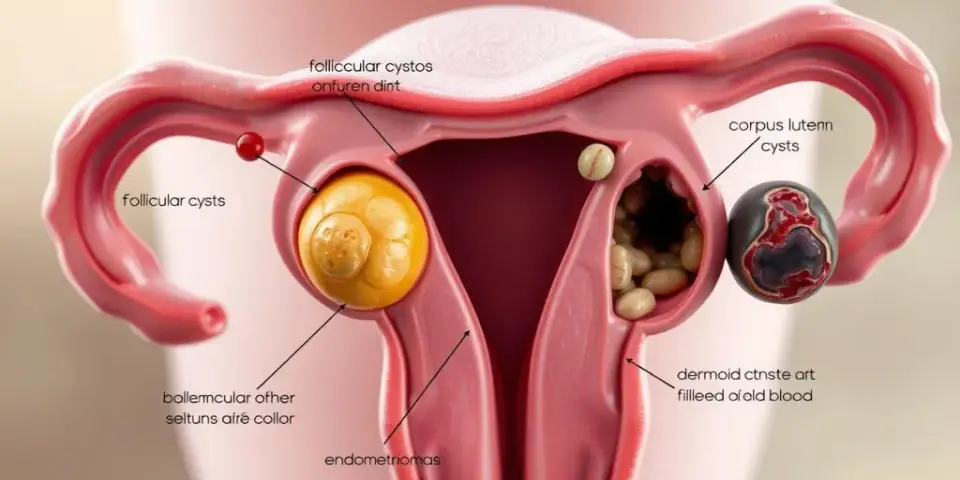
Functional cysts are quite common and often develop as part of the menstrual cycle. They include:

  1. Follicular cysts: develop when an egg isn’t released and the follicle keeps growing.
  2. Corpus luteum cysts: Sometimes, after releasing an egg, the follicle does not shrink and instead fills with fluid, becoming a cyst.

Functional cysts are usually harmless and tend to disappear on their own within a few periods.

Pathological Cysts:

Pathological cysts are less common and may result from abnormal cell growth. They include:

  1. Dermoid cysts: Made up of body tissues such as hair, skin, or teeth.
  2. Cystadenomas: Form from ovarian cells and typically hold watery or sticky fluid.
  3. Endometriomas: Linked to endometriosis, occurring when womb lining tissue grows outside the uterus.

These cysts may require medical treatment or surgical removal.

Common Causes of Ovarian Cysts:

Several factors can contribute to the development of ovarian cysts in young females:

Hormonal Imbalances:

Hormonal imbalance is the main reason behind most ovarian cysts.

When estrogen and progesterone levels become unbalanced, your ovary may not receive the signal it needs to release an egg, leading to cyst formation. This is particularly relevant for young women whose hormonal systems are still stabilizing.

Menstrual Cycle Irregularities:

Usually, a small sac in the ovary releases an egg each month. If the egg is not released, the sac can grow bigger and become a cyst. Sometimes, after releasing the egg, the sac closes and fills with fluid, forming another type of cyst called a corpus luteum cyst.

Other Causes:

  1. Endometriosis: This condition may lead to tissue growing on the ovary, resulting in cyst formation.
  2. Pelvic infections: Severe infections can spread to the ovaries and result in cyst formation
  3. Previous ovarian cysts: If you’ve had ovarian cysts before, you’re more likely to develop them again

ovarian cyst symptoms:

Many ovarian cysts cause no signs and are found during routine pelvic checkups. However, some young women may experience:

  1. Dull or sharp pain in the lower abdomen
  2. Bloating or swelling in the abdomen
  3. Painful periods
  4. Irregular menstrual cycles or abnormal bleeding between periods
  5. Pain during intercourse
  6. Bladder or bowel pressure leads to frequent urination or constipation.

If you experience sudden, severe abdominal pain, especially with nausea and vomiting, seek medical attention immediately as it could indicate a ruptured cyst or ovarian torsion.

Potential Complications:

While most ovarian cysts are harmless and resolve on their own, complications can occur in rare cases:

Ovarian Torsion:

Big cysts can make the ovary twist, causing strong pain, feeling sick, and vomiting. It’s an emergency and needs quick treatment.

Cyst Rupture:

A cyst that bursts can cause sudden, intense pain and internal bleeding. The risk increases with larger cysts and during activities that affect the pelvis.

Diagnosis and Treatment Options in Pune:

If you suspect you have ovarian cysts, consulting with a specialist is important. Dr. Asmita Dongare, a top gynaecologist in Wakad, Pune, offers complete diagnosis and treatment for ovarian cysts.

Diagnosis typically involves:

  1. Pelvic examination
  2. Ultrasound imaging
  3. Blood tests to check hormone levels

Treatment depends on the size, type, and symptoms of the cyst. Options include:

  1. Watchful waiting for functional cysts that typically resolve on their own
  2. Hormonal birth control to prevent new cysts
  3. Laparoscopic surgery for persistent or large cysts

At Cloverleaf Speciality Clinic, Dr Asmita Dongare provides personalised care for young women with ovarian cysts, focusing on minimally invasive treatments whenever possible.

When to Seek Medical Help?

If you’re experiencing persistent abdominal pain, unusual fullness or bloating, painful periods, or irregular menstrual cycles, it’s advisable to consult with a gynaecologist. For the best ovarian cyst treatment in Pune, Dr. Asmita Dongare provides expert care with a compassionate approach.

Regular gynaecological check-ups are essential for early detection and management of ovarian cysts, especially for young women with risk factors or previous history of cysts.

Frequently Asked Questions

Many cysts cause no noticeable symptoms and turn up during a routine scan. When they do cause symptoms, expect dull or sharp lower-abdominal pain, bloating, painful or irregular periods, or discomfort during intercourse. Sudden, intense pain with nausea is different and needs urgent attention.

Most gynaecological guidelines favour watching small, symptom-free cysts rather than operating right away, since many shrink on their own. Hormonal birth control can help prevent new ones. Larger or persistent cysts may need surgery. Dr Asmita Dongare, trained in advanced laparoscopic techniques, favours minimally invasive options wherever safe.

It’s the most common type, forming when the sac that normally releases an egg keeps growing instead of releasing it. Unlike pathological cysts, which may need treatment, follicular cysts are functional, meaning they’re tied to your cycle and usually resolve on their own within a few months.

Yes. These cysts form as part of the normal menstrual cycle, so marital status or sexual activity has nothing to do with it. They’re common in teenagers and young unmarried women alike, and most resolve without treatment. Persistent pain or irregular periods are still worth getting checked.

A gynaecologist is the right specialist, since diagnosis needs a pelvic exam and an ultrasound. Dr Asmita Dongare, MRCOG-trained with over 18 years of practice, evaluates cysts of this kind regularly at Cloverleaf Speciality Clinic, Wakad, from routine functional cysts to more complex cases needing closer management.

A ruptured cyst spills its fluid into the pelvis, triggering sudden pain and sometimes internal bleeding. A twisted cyst, or torsion, pulls the ovary around itself and blocks blood flow to it. Both are medical emergencies, and torsion in particular can cause lasting damage if not treated quickly.